TL;DR
Kathi’s least obvious wellness hacks are about taking friction away rather than adding new routines. She edits the pantry and fridge so everyday staples are easy to find, clears digital clutter like promo emails and old photos, and plans boundaries for her time and spending before the calendar fills up.
If you think self-care is all about face masks and green juice, you’re missing a key piece of the puzzle.
Wellness is a goal for many of us, but the path to it is often cluttered—literally. We add new routines to our days without addressing the underlying chaos that drains our energy and focus.
What if the most effective wellness strategy wasn’t about adding something, but about subtracting the friction? True, sustainable well-being is less about a special tea and more about building systems that prevent stress before it ever hits.
It’s the mental clarity that comes from a decluttered space and the preserved energy that comes from having a plan. This is about redefining wellness through practicality.
Here is your three-step, no-woo-woo plan to build a foundation for a smoother, healthier, and more resilient life.
Which everyday systems make the biggest difference?
1. How can your pantry make healthy choices easier?
A disorganized kitchen is a daily source of minor stress. It leads to wasted money, wasted food, and the mental drain of not being able to find what you need.
Your Mission: Transform your pantry and fridge into an engine for easy, healthy choices.
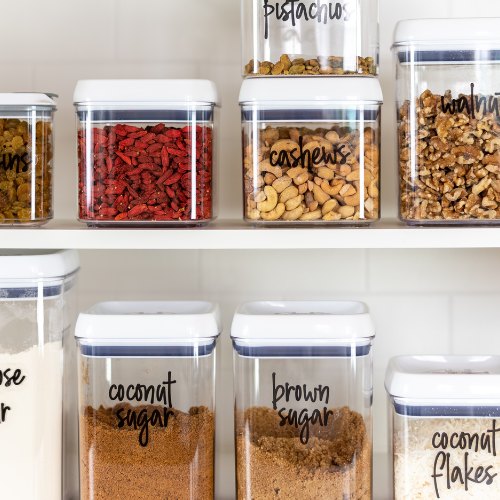
- The Purge: Pull everything out. Be ruthless. Toss anything expired, stale, or that you know you won’t eat. Donate unopened non-perishables you won’t use.
- The Categorize: Group like with like. All baking supplies together, snacks in one bin, canned goods organized by type. This visual clarity makes meal prep and grocery shopping infinitely faster.
- The Flow Check: Position everyday staples at eye level. Make the healthy choices easy to grab and the occasional treats harder to reach. This isn’t about restriction; it’s about designing your environment for success.
The Wellness Payoff: Less daily decision fatigue, more nutritious meals, and a calm, efficient start to your day.
For more on this step, see Kathi’s three ways to organize the canned goods in your pantry.
2. Why does digital clutter drain your energy?
Your digital space is just as important as your physical one. A chaotic inbox and a phone bursting with clutter are silent energy drains that fuel anxiety.
Your Mission: Reclaim mental RAM by tidying your digital world.
- The Unsubscribe: Block 15 minutes and ruthlessly unsubscribe from promotional emails that trigger impulse buys and clutter your inbox. This single act reduces daily noise significantly.
- The Photo Triage: Don’t tackle your entire camera roll. Just start with the most recent month. Delete the blurry shots, screenshots you don’t need, and duplicates. A little bit of progress prevents the overwhelming “digital avalanche” feeling.
- The Central Hub: Create one central digital folder for inspiration, recipes, and projects. Keeping it all in one place prevents frantic searching and helps you feel organized and in control.
The Wellness Payoff: Reduced anxiety, less distraction, and a sense of mastery over your technology. Clearing digital clutter is like quieting the mental static.
Kathi walks through more of this in Declutter And Organize Your Digital Clutter.

3. How do you plan boundaries for your time and money?
The quickest way to burnout is a calendar with no white space. Wellness is as much about protecting your time and money as it is about anything else.
Your Mission: Strategically map out your priorities to protect your future energy.
- The Budget Conversation: Have a brief conversation (with yourself or a partner) to set realistic spending goals for upcoming events or goals. Financial stress is a major wellness killer; getting ahead of it is the ultimate act of self-care.
- The “Do Not Book” Rule: Open your calendar and proactively block out time for yourself. Guard these blocks for downtime, hobbies, or absolutely nothing. This is non-negotiable.
- The Master List: Maintain a simple running list for gifts, projects, or goals. Adding ideas as they come to you prevents last-minute panic and decision fatigue.
The Wellness Payoff: Preserved energy, financial confidence, and the freedom to actually be present in your life. You move from reacting to chaos to proactively designing your days.
What does wellness look like in practice?
True wellness isn’t a passive state; it’s an active practice of building a life that feels manageable and joyful. It’s about investing in the practical, tangible systems that preserve your energy for what truly matters. That’s a hack worth implementing any time of year.
Keep reading
- Declutter And Organize Your Digital ClutterPractical steps for tidying files, photos and your inbox.
- Three Sure-Fire Ways to Organize the Canned Goods in Your PantrySimple ways to keep pantry staples easy to see and use.
- Why Being Organized Can Make You HealthierKathi on how clutter and stress show up in everyday life.
Frequently asked questions
What are some unusual wellness hacks that involve organizing?
+
Kathi points to three practical systems: editing your pantry and fridge, clearing out digital clutter, and planning boundaries for your calendar and budget. Her view is that wellness is less about adding new routines and more about removing the daily friction that drains your energy and focus before you even notice it.
How do I do a pantry edit?
+
Pull everything out and toss anything expired, stale or that you know you will not eat, and donate unopened non-perishables you will not use. Group like with like, such as baking supplies together and snacks in one bin. Then put everyday staples at eye level and occasional treats harder to reach.
What is the fastest way to start clearing digital clutter?
+
Block 15 minutes to unsubscribe from promotional emails that clutter your inbox. For photos, start with only the most recent month and delete blurry shots, duplicates and screenshots you do not need. Kathi also suggests one central digital folder for inspiration, recipes and projects so you stop searching.
What is the Do Not Book rule?
+
It is Kathi’s habit of opening your calendar and blocking out time for yourself before other commitments fill it. Those blocks are reserved for downtime, hobbies or nothing at all, and she treats them as non-negotiable. The idea is to keep some white space on the calendar every week.
How does a budget conversation fit into self-care?
+
Kathi suggests a brief talk, with yourself or a partner, to set realistic spending goals for upcoming events or goals. In her experience money worries are a big source of stress, so getting ahead of them is one of the most practical forms of self-care you can practice.
What is a master list and why keep one?
+
A master list is a simple running list for gifts, projects or goals. When you add ideas as they come to you, they are already written down when you need them. Kathi finds this keeps away last-minute panic and the fatigue of making many small decisions in a hurry.
Originally published on Organized and Energized on October 8, 2025. Moved to addSpace and updated November 7, 2026.