


Episode 112
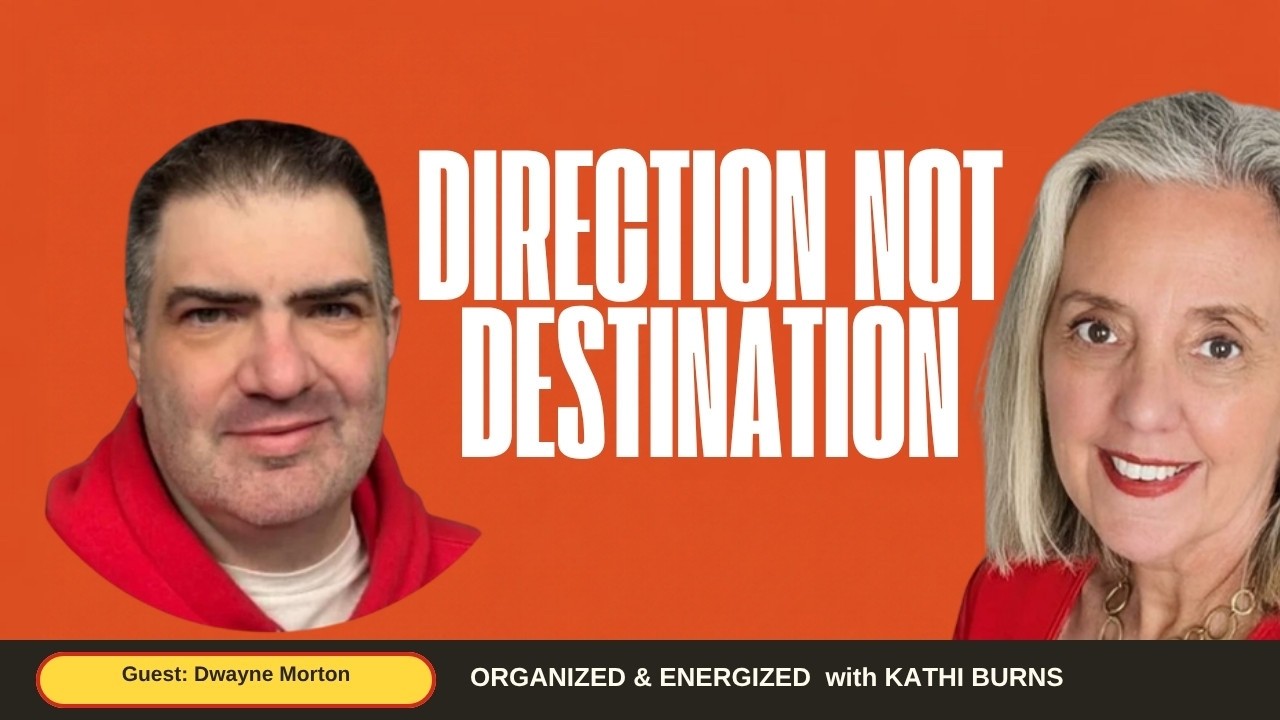
with Dwayne Morton, former international basketball player, mindset strategist and founder of ShowUp2Win · March 13, 2025 · 25 min
Former international basketball player Dwayne Morton lived for 18 years with a rare blood cancer diagnosis that, in March 2024, he learned was wrong; what he has is severe sleep apnea.
He was also caught in a police shooting as a bystander when a stray bullet hit his truck inches from him and his young niece.
His first advice for shifting your mindset is to move every day, celebrate what you did, and start from gratitude.
His morning routine, which he calls Dwayne's Daily Plan of Attack, has four steps: gratitude, self-care, movement and being adaptable.
Dwayne runs ShowUp2Win, a mindset program for people whose inner fire has burned out, most often athletes and former athletes.
Published · Updated
What is this episode about?
Kathi Burns, CPO®, Business FLOW Strategist, talks with Dwayne Morton, a former international basketball player and the founder of ShowUp2Win, about how to overcome adversity when there is no blueprint. Dwayne spent 18 years believing he had a rare blood cancer before learning in March 2024 that the diagnosis was wrong, and in that time he was also caught in a police shooting as a bystander. He shares why he tells people to move every day and celebrate it, how a five-year-old he met overseas who hadn't eaten in three days became his foundation of gratitude, and the four steps of his morning routine: gratitude, self-care, movement and being adaptable. You'll also hear what getting cut from his high school team taught him, how he automates his social media, how he stood by a friend in his darkest time, and who his program is for.
Our nightmares are other people's dreams.Dwayne Morton
Jump to links and resources · Part of How do I grow my business without burning out? · All episodes · Every guest
What are the key takeaways?
- Dwayne Morton says the first step on a hard day is to move and then celebrate what you did; on his worst days he celebrated getting a glass of orange juice.
- His foundation of gratitude is a five-year-old he met while playing basketball overseas who had not eaten in three days.
- His Daily Plan of Attack starts with gratitude on waking, then self-care such as stretching in bed, then movement, then being adaptable.
- Dwayne focuses on direction rather than destination: looking back keeps you stuck and staring at the destination makes you anxious.
- He compares setbacks to potholes: if you see one coming you can swerve, so even if you hit it, you don't hit it head on.
- Quitting his high school team after his grandmother died taught him not to quit things, and being cut his senior year made him hungry for an opportunity.
- Dwayne automates his social media so he doesn't spend two to three hours a day on it and can put that time into building relationships.

This episode is brought to you by the Business Logjam Session
A private 75-minute online session with Kathi Burns to find the one thing holding your business back and leave with your next steps. It is the same F.L.O.W. process Kathi uses with her own clients: Focus on your goals, Locate your logjams, Outline your solutions, Walk away knowing your next steps.
Find What's Holding Me BackInterested in sponsoring the show? Get in touch.What adversity has Dwayne Morton overcome?
Dwayne Morton lived for 18 years believing he had a rare blood cancer, survived being caught in a police shooting, and then learned in March 2024 that the cancer diagnosis had been wrong. Doctors first gave him five years, then 15. As a bystander, he was driving by when a stray bullet hit his truck; an eighth of an inch either way, he says, and it would have hit him or his little niece in the back seat. He says he dealt with PTSD and survivor's guilt afterward, and that identifying with the diagnosis for so long was a tough part of it.
How to overcome adversity in life?
Dwayne Morton's answer is to move every day, celebrate what you did, and start from gratitude. On his worst days, getting a glass of orange juice was worth celebrating. His gratitude comes from a five-year-old he met overseas who hadn't eaten in three days. As he puts it, our nightmares are other people's dreams.
How does Dwayne Morton help people overcome adversity?
Dwayne helps people get through unlikely and untimely circumstances with the mindset tips and tricks he built for himself when there was no blueprint. He created a community that keeps both him and his members consistent. When someone comes to him with an unexpected bill, his answer is that this is life, and they can get past it. He compares it to boxing: people can take a punch when they roll with the punch, so he prepares them for things to happen.
What did getting cut from his high school team teach Dwayne Morton?
It taught him not to quit and made him hungry. Dwayne made the team his junior year and quit after his grandmother passed away, and he says that is why he doesn't quit things now. When he went back out his senior year, the coach cut him. He kept preparing, went overseas on a mission trip, signed with an agent and played basketball internationally.
What is Dwayne Morton's morning routine?
Dwayne's morning routine has four steps: gratitude, self-care, movement and being adaptable. He thanks God for waking him up, then stretches in bed to prepare for the day. For movement, he focuses on direction, not destination, and glances back without looking backwards. Finally, he watches for life's potholes so he can swerve around them.
How can automation save time on social media?
Automation lets Dwayne skip the two to three hours a day he would otherwise spend on social media. He still creates posts, but he uses a social media service that a friend owns, along with AI, to handle the rest. That frees him to do what he says he does best: pinpoint the people he wants to talk with and build real relationships with them. Kathi automates her social media too, and has someone schedule it after she writes it.
How do you help a friend through their darkest time?
Dwayne says he started by letting his friend know he loved him and showing him the grace others hadn't. He believes there is no one-size-fits-all approach, so he learned his friend's past first. He laid out the steps, reminded him that beginning was the most important part, and they chipped away at it like a stonecutter. Above all, he told his friend that no matter what, he was never a disappointment to him. Dwayne says his friend is now an entrepreneur.
Who is the ShowUp2Win program for?
ShowUp2Win is for people whose inner fire has burned out and who want it back, most often athletes and former athletes. Dwayne says the program is not for everyone because he doesn't want to just take people's money. He compares it to a lighter dropped in water: it can't relight itself, but someone with a lit lighter can bring the flame back. He is looking for people who want results badly enough to do the work.
Where does each part of the conversation start?
- 0:00 Meet Dwayne Morton
- 0:38 International basketball at 19
- 1:07 A rare blood cancer diagnosis
- 1:21 Caught in a police shooting
- 1:50 Misdiagnosed for 18 years
- 2:15 It was sleep apnea all along
- 3:38 How to shift your mindset
- 4:00 Move, and celebrate it
- 4:48 His foundation of gratitude
- 6:31 Helping people overcome adversity
- 8:11 Cut from his high school team
- 9:42 His morning routine
- 10:10 Self-care
- 10:27 Direction, not destination
- 11:16 Watch for potholes
- 12:46 How he uses automation
- 14:04 Advice to his younger self
- 17:09 Helping a friend through his darkest time
- 19:51 Dwayne's Daily Plan of Attack
- 21:28 Who his program is for
- 23:11 Wrap-up
What resources were mentioned?
- Dwayne's Daily Plan of Attack (free morning routine PDF)
- ShowUp2Win, Dwayne's mindset program
- Wayne Dyer, author (his morning gratitude practice)
These episodes continue the same thread as this one: Lia Dunlap, Carly Church, Ginny Priem, Stephanie Wall Morrow also answer the question "How do I grow my business without burning out?", and the rest are the most recent conversations on the show.

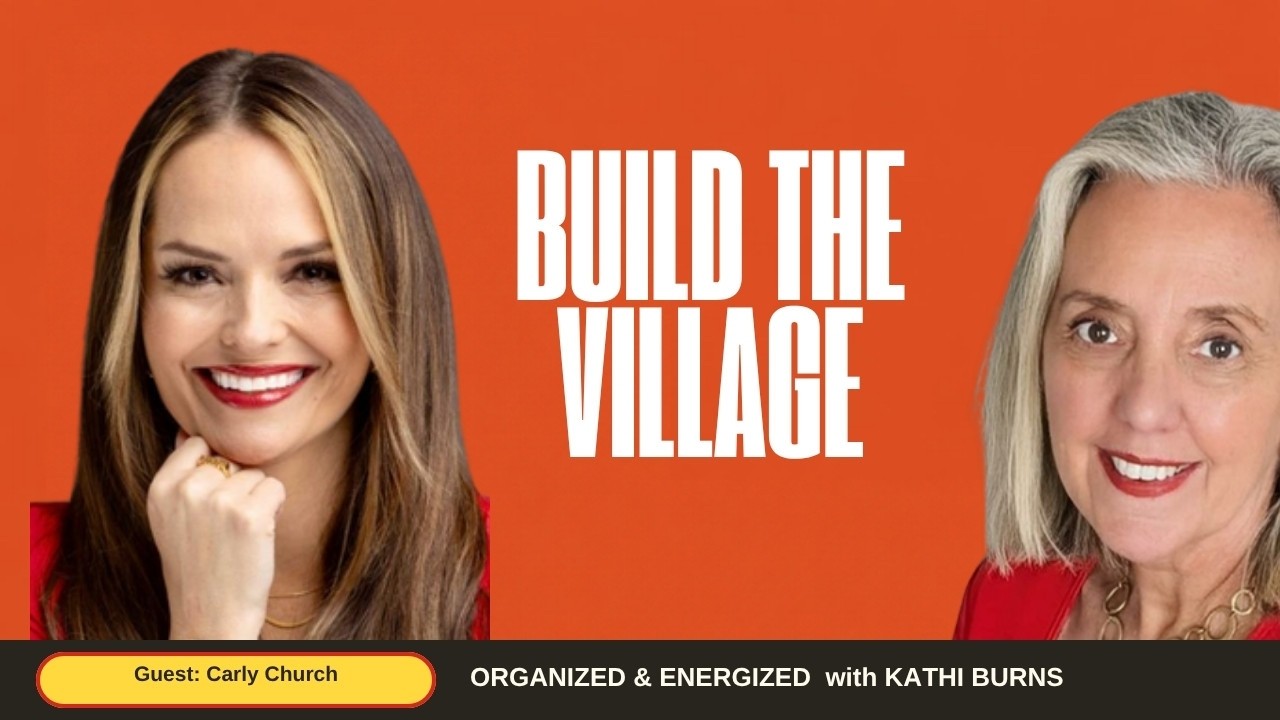 MotherhoodEpisode 147
How To Build a Village That Supports Your Business and Your Life with Carly Church


See every episode on the podcast archive or filter by topic on the How do I grow my business without burning out? hub.
How can I support the show?
- Subscribe on Apple Podcasts, Spotify or YouTube, or add the RSS feed to any app.
- Rate and review. A rating on Apple Podcasts helps new listeners find the show, and Kathi reads every review.
- Share the episode with one business owner who needs it; the share buttons are at the top of the page.
- Grab a free eBook: 6 Steps to Organize & Energize Your Home, 6 Steps to Organize Your Home Office or 6 Steps to Organize & Energize Your Life.
- Work with Kathi. The Business Logjam Session is a private 75-minute session to find what is holding your business back.
- Be a guest. Apply here if you have a story about clearing the obstacles in your business.
What did they say, word for word?
The transcript below is edited for readability: filler words and false starts are removed and speaker names are added. Nothing was added or summarized.
Read the full transcript +
Kathi: Hello. As promised, I'm here with Dwayne Morton, and we're going to talk about how you can show up to win. So thanks for coming on the show, Dwayne. It's so good to see you again.
Dwayne: It's great to see you again, too. And so I want to say thanks to the listeners, because I know that them giving their time is one of the most valuable commodities. And so anytime someone gives me their time, I definitely want to be in a place of gratitude. And then also, Kathi, me and you had a conversation a little while ago, and I'm really looking forward to this. And so I just want to thank you so much for allowing me on your platform.
Kathi: Absolutely. Well, you have a fascinating story, and on top of that, you're just a general nice guy. So let's jump into your background, Dwayne, and what brought you onto this podcast today. Tell us a little bit about your journey.
Dwayne: Yeah, so I'm a former international basketball player. I did that at the age of 19. I didn't do it the conventional route. I actually did not play my last two years of high school. And so I tell people that because I've always been an overachiever. And then I had just an unfortunate incident where I was diagnosed with a rare blood cancer. They gave me five years originally, and then it went up to 15 years. And then, when I felt like death was already part of what was going to happen, I was involved in a police shooting as a bystander. I was driving by, and a stray bullet hit the truck. The bullet, if it had been an eighth of an inch to the left, it kills me. If it went an eighth of an inch to the right, it hits my little niece in the back seat. So I was dealing with PTSD and survivor's guilt. And then the miraculous part is, last year, in March 2024, so it's almost a year anniversary, I found out that I was misdiagnosed with the rare blood cancer. So for 18 years I was living thinking that I had this, and I identified with it. And so, as you know, the identification part is also a really tough aspect.
Kathi: Yeah, that's wild. So now you don't have the rare blood disease, and they were just wrong the whole time.
Dwayne: Yes, they were wrong. All I have is severe sleep apnea. And so, yeah, I'm 100% healthy. It really took about two days for me to feel better with this EPAP, but ever since then, it's like I was that windup toy. I was just this windup toy that kept on getting wound up, and I just held. And so now I'm released, and so I'm just like, go, go, go, go.
Kathi: I love it. I love it. Yeah, it's so interesting. Mindset, right? So you're in the mindset. I've always wondered too. I said at the top of this show that my mom died, and she was given six months to live, and she lived seven years. But I always wonder, when doctors say you have this much time to live, I always think that they're playing God, and I'm just not a big believer in that kind of thing. But anyhow, going back to mindset. So you get this prognosis, and you're like, okay, well, time is limited. I mean, the thing is, all of us are going to die. [laughter] It's just a matter of do you want that hanging over your head. So mindset-wise, now that you're shifted out, I'd like to talk about that with you and what advice you would give people listening, because we all have some type of a mindset around our success, our livelihood, our life as we know it. What tips would you give people, now that you've been through this, Dwayne, to help them shift into perhaps a better space, with more enthusiasm or more hope?
Dwayne: Yeah. So for me, I feel like I'm an expert. I've done this twice. I've had to overcome some adversity. And so what I would tell people is move. Just move throughout that day. Make sure that you do something that day and celebrate it. So for me, during that period, if I just went to the bathroom and I got a glass of OJ, I was celebrating the crap out of it, because I felt like someone who had the flu every day. So instead of having a full tank of gas, I had like a quarter tank of gas. So I had to figure out the best way to go about the day. So I feel like the first thing to do is just move. But also, we've got to do it with gratitude at the first part. Gratitude is so important. And so just think: every day we wake up, other people did not wake up. There's other people that did not wake up. And so I feel like that's so important. And for me, the other part is, when I played basketball overseas, I met a kid who was five years old at the time who had not eaten in three days. So that's my foundation of gratitude: I know other people have it worse, or our nightmares are other people's dreams. And so I feel like that's super important. And so when you start looking at it from that aspect, from an 'I have' rather than an 'I'm lacking,' that's going to help your mindset tremendously, just from the jump.
Our nightmares are other people's dreams.
Kathi: Yeah. And gratitude makes you think about what you are grateful for. So having an attitude of gratitude, I love that. I really connected with you when we first met on that topic. I'm with you on that. It's so funny, when you said move, I'm thinking to myself, I need to get my butt out of my desk chair and move every so often, because I get so into the trenches, I get so hyperfocused, that not moving is something that definitely affects health. And moving with an air of gratitude is even better. It's like icing on the cake.
Dwayne: Absolutely. I mean, just movement in general, but also when you move with a purpose, you're setting an intention and then you're doing something. But you have to celebrate it. That's the thing. Don't do something and not celebrate it, because that's the other part of just keeping your attitude in check. It's that runner's mentality that I talk about, which is going to be part of the gift that I give people. But just to let you know, think of it from a runner's type mentality. It's going throughout the day.
Kathi: Yeah, that's amazing. So tell us a little bit about your company. What are you doing now, now that you have your new lease on life? What is your aim? Aim, shoot, fire.
Dwayne: So my aim is to help people and support people. I've been coaching for a long time, but I didn't have the certificate and that type of stuff. What I'm doing right now is I'm helping people overcome adversity and unlikely and untimely circumstances. And like I said, I'm an expert. I've done it twice, and I've done it where there's not a blueprint. So I've had to create my own blueprint. And so I knew this, Kathi: I had to create something for myself, but it has to help others. And so that's why I'm creating this community, so it keeps me consistent. It keeps the community consistent, because they need me consistent, because they are coming to me and saying, 'I'm dealing with this. I just got this unexpected bill. I wasn't expecting it.' Okay, that's called life. But guess what? We can get past it. And so I think that's the thing. I'm able to break it down to give people the mindset tips and tricks that I've used, and just shift their perspective just a little bit, so they're more prepared for the punches. It's like boxing. People are able to take a punch when they roll with a punch. It's very similar to that. And so that's what I do with your mindset. I let you know that things are going to happen, but also we're going to be prepared for things to happen, because that's life.
Kathi: Yeah. Isn't it, though? And especially as entrepreneurs, we have more punches. I'm very intrigued by how you skipped high school basketball and went right into international. Tell us a little bit about that. That's quite interesting to me. You didn't do the usual route, as an overachiever.
Dwayne: Yeah. No, no, no. So I went to high school. I made the team my junior year, and I quit. My grandmother passed away. I was depressed, sad. I was like, I don't want to go through all this stuff. And so I quit. And so I tell people all the time, that's the reason I don't quit things now, because I learned that lesson. And so I went back out my senior year. He cut me. And I was also dealing with an injury. But what it did was it made me hungry. And I knew I wanted to do something. I knew I wanted to play college basketball. And fortunately for me, God granted me an opportunity, and I was ready for the opportunity. And so that's how I was able to go play basketball overseas. I went over there on a mission trip, and I signed with the agent. I hurt my knee before I was actually supposed to go over there the second time. But I truly knew what my ceiling was, and I was like, hey, I'm ready to do other life stuff.
Kathi: Amazing. Amazing. So give us some tips to start shifting our mindset. What would you say? People listening out there might really need a tip right now, a tip or two to shift out of their own way. What would you suggest to them, Dwayne?
Dwayne: So I would suggest my morning routine. And so you're going to be able to get the PDF, but I'll just go through it quick. My first step of the day is gratitude. I thank God for waking me up. So however you want to do it, just be grateful. Hey, other people don't get this opportunity. So that's the number one thing. The number two thing is just prepare yourself. So for me, I stretch. So the next step is going to be self-care. Self-care is one of the most important things of your life, just being able to take care of yourself. And so for me, I stretch there in bed, just to get prepared for the day. So number three is going to be movement. And so I'm going to really quickly go through this. We can't run looking backwards. That keeps us depressed. Also, it gets us off track. If I focus on the destination, I'm going to be very anxious. So what I need to worry about is the direction, not so much the destination. I just need to make sure I'm going in the right direction. But if I focus on the destination, it's just going to make me anxious. So the gift is the present. And so just stay in the present and just be mindful of where you're going. Glance back, because you're never going to be able to defeat the past. You always just need to take a glance. But take that runner's type mentality. Also, don't be looking at the destination, because you're going to get off track. So the number four thing is going to be adaptable. So I tell people all the time, look out for potholes. It's going to bring unexpected bills. Some people are going to go through unfortunate circumstances where they lose a spouse, or they lose their job. They lose all types of things. Life happens. So I tell people, if I'm running and I see a pothole, I can swerve it. And so maybe I still hit the pothole, but I'm only hitting the pothole on the left of it or the right. I'm not hitting it middle impact all the time.
What I need to worry about is the direction, not so much the destination.
Kathi: Yeah. I think that's interesting, too, because if you're looking to the goal, you're not even going to see the pothole. But if you're being present with where your feet are right now, and you're moving and you have the momentum, you're going to see that pothole and be able to swerve around it. When you said, I wake up with gratitude every morning, it reminds me of Wayne Dyer. I don't know if you're familiar with him as an author. His practice every morning was, as soon as he puts his feet on the floor, he says, 'Thank you for this morning. Thank you for this day.' Very similar thing. I think gratitude trumps almost anything, or wins over almost anything. Gratitude will take the lead on most things. So those are really good tips. So I know that you've had some stuff, and now you're sleeping well. You can see clearly. You're launching. Tell me about some of your favorite organizing systems. What do you use to keep your life in order these days?
Dwayne: So I use a ton of systems. I'm a system guy. I tell people that all the time. So I use automation for my social media. That doesn't mean that I don't use my social media too and create posts, but I have a service that my friend is the owner of. I believe in automation. Any type of automation is good for you, but especially for a business owner. It allows me, instead of having to devote two to three hours to social media, to have my AI and my automation do it for me, and then I can reap the benefits. But what I can do best, I feel like, is pinpoint the people that I want to talk with and have that personal relationship and friendship with, and also find out if there's business opportunities with them.
Kathi: Yeah, absolutely. Anything we can automate is best. We'll have to have that friend on the podcast to talk about the platform he or she has developed, because that's very important. I automate all my social as well, as well as jobbing out someone to automate it after I write it. So it saves a boatload of time for sure. If you had to look back and give yourself some advice at 17, or even at 16, what would you tell him?
Dwayne: So for me, I would tell him exactly that: we learn lessons. I learned a valuable lesson. I quit. I don't quit things anymore. So I would tell that kid, hey, it's okay. We learned a lesson. We're going to go through it, and we're able to tell that story so other people learn the lesson through us. It's not a bad experience. I came out on the other side of the fence a lot better than what a lot of other people did. But what I did was, I was always still prepared for an opportunity. Even though I didn't feel like there would be an opportunity, I still prepared for it. So I would tell him, just keep preparing and be ready. The things that you've been taught growing up are going to be the things that you're going to apply later on in life to get you through these challenges. Without being able to say you're going to have to go through challenges, because I don't want him to know you're going to have to go through these types of things, because I would have prepared differently, and I don't feel like that would have been helpful. I feel like going through it is actually the reason why I'm here right now and I have that ability to teach these lessons to people.
Kathi: Yeah. Yeah. I think that everything in our background leads us to where we are and the gifts that we give. And that's something for those listening. If you folks are going through any type of adversity, or any type of real pitfall or obstacle, just keep in mind that how you choose to react to it and how you choose to move past it is going to be in your toolkit for the rest of your life. So you have huge tools, Dwayne. I have huge tools. We all do. And I think that our toolkit is expanded by all the things that we have to go through. Everything that we overcome is now another tool that we can use for future reference, and hopefully we have less of those, where we can hop, skip and jump over that puddle instead of even going around it or going into it. We see it and we skip over it, and we're like, yeah, that's how you do it. [laughter] Which is what you're doing with your career. I just absolutely love that.
Dwayne: And that's the beautiful part of it, being able to teach it, and being able to teach it to people who apply it. And so that's the legacy part that's wonderful. But if no one wants to do it or apply it, then I'm really just looking for the spotlight and telling people, and I'm wasting my oxygen. But I've just been so fortunate. The people that I've helped and I've talked to have been so grateful, but they also have been like, 'Oh, I can't wait until you put this out in a book or something like that, so you can help more people.' So I think that's a very important part: just how I can help and support others.
Kathi: Yeah. Yeah. So I know you've been coaching for a long time. Give us a story about one of your people, and what happened with their transformation, or what they were up against, and what the outcome was.
Dwayne: Yeah. So one of my friends, and this is after I found out I was misdiagnosed and I realized what I wanted to do, I reached out to him. He was dealing with suicidal thoughts and tendencies and those types of things. And so I just let him know, hey, I love him. I wanted to show him the grace that other people didn't show him. But what I also wanted to do was let him know that he deserved more. And so he went through some different types of things with me that I don't share with everyone, but I knew that this guy was different. I knew he needed more of a loving and giving approach. And so what I did was, I found out how I could do that. That's the other thing. I feel like there's not a one-size-fits-all for people, right? So I had to find out his past and figure it out. But what I did was, I let him know that I care. I let him know the steps, and I was like, I know right now we feel like we probably took a step backwards, but we're not taking a step backwards. We're getting prepared to take the steps forward. And so we began. And I was like, that's the most important part. You began. And so we just gradually chipped away. So, the stonecutter type approach. We just sat there and hammered away. And also, what I did was I let him know that no matter what, he was never a disappointment to me. He was never a disappointment to me. And that, I feel like, was what took away that rainy cloud over his head. And he was able to go through the things that he needed to go through. And he's a better person. He's an entrepreneur now, and he's a really great person. And honestly, the only person that's holding him back is himself. And when he gets over that part, that's going to be where, hey, he's going to own a company. And so I'm looking forward to helping him create that.
No matter what, he was never a disappointment to me.
Kathi: Love it. Love it. Yep. We all need confidence, and we all need love. So good for you for exuding love. I mean, you're love personified, and I really appreciate you. I appreciate that part of you and all the other parts too, Dwayne. [laughter] So talk to us about what you can offer those who are listening. What is it that they're going to be able to download from you?
Dwayne: Yeah. So it'll be a PDF of my morning routine. It's called Dwayne's Daily Plan of Attack. And so it's going to be those four things that I mentioned real quick. It'll be a little bit more in depth, but that's what I do. And I feel like that was the most important thing to share, because this is how I was able to go through those 18 years. And so I applied those every day. And every night, I hit my head on the pillow and I was grateful for that day. But also, I knew if I create something consistently, then that's where those steps were going to be. And so it was just all about me getting healthy. And last year in March, I got that call that I was healthy. And so that was the thing. [clears throat] I mean, it's not the anniversary yet. It's in a couple weeks. But it's such a big deal, because if I look back at how much things have changed, Kathi, it is such a wonderful… Oh, okay. We didn't just take one step. We've taken these huge, dramatic levels.
Kathi: Leaps.
Dwayne: Yeah. Leaps. It's like hopping in a skyscraper and pushing, rather than going from one to two to… Oh, there's a button where I can skip 20 floors. Okay, let's take that floor. Let's skip that floor, man. We got the jam. We got the motivation. We got the celebration. And when you celebrate, you can jump higher, too.
Kathi: For sure. So, last thing. Is there anything that you wanted to talk about that I didn't prompt you on or ask you?
Dwayne: So the thing I would probably mention most is, my program is not for everyone, and I tell that to people because I don't want to just take their money. I'm building this program because it was a community that I wanted to build, but also, I'm looking for people who had their inner fire burn out. And so most of my clients are probably athletes or ex-athletes, or people who are really just like, I had this inner fire that I know was there, and I want that back. And so it's the lighter approach. I don't know if you've heard this analogy, but if you take a lighter and you dump it in a glass of water, it won't flick and light on its own. So it needs someone to have a lit lighter to come over and actually get the flame to pop up. So that's what I'm doing. I'm finding these people that are like, 'Hey, I want to do this.' But, Kathi, I don't want minimum people. I want people that want the results bad enough that they're willing to do whatever they can to get those results. And so I'm there to support them and to help them reach that potential, or whatever goal they're looking for.
I want people that want the results bad enough that they're willing to do whatever they can to get those results.

Kathi: Yeah, I'm with you on that. We all want action takers, people who are committed to improving themselves. Otherwise, like you say, it's just oxygen in the air that's wasted. We can say all we want, but if they don't take action… And you're here to guide them gently on their way. Well, I really wish you huge success. Everybody listening, go ahead and download that. Even if you're not feeling like you're up against something right now, it's going to be another tool in your toolkit for when things might hit you, because they do. As we said, everybody has those ups and downs. So thank you, Dwayne. I really appreciate you being on the show. And everybody, I wish all of you a fantastic day. Tomorrow morning, get up, and what are you going to do? You're going to do gratitude.
Dwayne: Yes. [laughter]
Kathi: Thanks, Dwayne. I really appreciate it.
Dwayne: Thanks, Kathi. I appreciate you.
Kathi: Yeah, you have a good day, and we'll see everybody next time.
Where can I find the links and resources from this episode?
Connect with Dwayne
Organizations and companies
Inspired? Here Are Your Action Steps:
- Start each morning by naming something you're grateful for before you get out of bed.
- Stretch in bed as a first act of self-care.
- Move at some point every day, even a little, and celebrate it.
- Remind yourself that other people didn't get to wake up today.
- Pick the direction you're heading and stop staring at the destination.
- Glance back at the past, but don't run looking backwards.
- Watch for potholes like unexpected bills and plan how you'll swerve around them.
- Automate your social media posting so you can spend that time building relationships.
- When you quit something, write down the lesson so you don't repeat it.
- Download Dwayne's Daily Plan of Attack from showup2win.com.
Frequently asked questions
What does overcoming adversity mean?
+
For Dwayne Morton, it means getting through unlikely and untimely circumstances, often with no blueprint to follow. He had to build his own after 18 years of living with a diagnosis that turned out to be wrong. He says life will bring setbacks like unexpected bills or a lost job, and the goal is to be prepared to roll with the punch.
How to practice gratitude every morning?
+
Dwayne Morton makes gratitude the first step of his day: he thanks God for waking him up and reminds himself that other people didn't wake up today. Kathi Burns shares that author Wayne Dyer said "Thank you for this morning. Thank you for this day" as soon as his feet touched the floor.
What adversity has Dwayne Morton overcome?
+
He was told he had a rare blood cancer and five years to live, later 15. He was then caught in a police shooting as a bystander, when a stray bullet hit his truck inches from him and his young niece. In March 2024 he learned the cancer diagnosis had been wrong for 18 years; what he has is severe sleep apnea.
What's the first step to shifting your mindset?
+
Dwayne's first step is to move, and to celebrate it. On his hardest days he celebrated getting a glass of orange juice. He pairs movement with gratitude, remembering a five-year-old he met overseas who hadn't eaten in three days.
Who is Dwayne Morton's program for?
+
ShowUp2Win is for people whose inner fire has burned out and who want it back, often athletes and former athletes. Dwayne says it is not for everyone. He is looking for people who want results badly enough to do whatever it takes.
Who is talking in this episode?

About the Host, Kathi Burns
Kathi Burns, CPO®, is a Business FLOW Strategist based in San Diego. For the last 20+ years, Kathi has helped clients create systems they can stick to. She is the author of How to Master Your Muck, Organizing With Tetris and Home Organization, The Smart Guide, and co-author of four more titles; all are in Kathi's shop. Kathi's business has been featured on Good Morning America, and her advice has been featured in Oprah Magazine, Martha Stewart Living, Better Homes and Gardens and Entrepreneur Magazine.
More about Kathi · Shop Kathi's books · Business Logjam Session · Apply to be a guest
About Dwayne Morton
Dwayne Morton is a former international basketball player who started playing overseas at 19, after not playing his last two years of high school. He first went overseas on a mission trip, signed with an agent, and hurt his knee before a second trip. Dwayne lived for 18 years believing he had a rare blood cancer; in March 2024 he learned the diagnosis was wrong and that what he has is severe sleep apnea. During those years he was also caught in a police shooting as a bystander. He is now a speaker and mindset strategist and the founder of ShowUp2Win, a self-paced mindset program for people who have faced real adversity, many of them athletes and former athletes.
Want help putting this into practice?
Book a Business Logjam Session with Kathi
A private 75-minute online session to find the one thing holding your business back and leave with your next steps, using the same F.L.O.W. process Kathi uses with her own clients: Focus on your goals, Locate your logjams, Outline your solutions, Walk away knowing your next steps.
Prefer to start small? Download Kathi's free eBook 6 Steps to Organize & Energize Your Life.
Published · Updated
This episode page is for general information. Guests speak for themselves, and their opinions, statistics and examples are their own. Nothing here is legal, financial, medical or mental-health advice; talk to a qualified professional about your own situation. Some links go to the guest's own products or free offers; addSpace does not earn a commission from them unless stated.