

TL;DR
The SHED Method is a four-step way to clear clutter from your home, your mind and your schedule: Separate what stays from what goes, Heave the trash, Embrace your environment and Drive yourself forward. It is about progress, not perfection, so start small and make it a regular habit.
We all have moments when life feels overwhelming—when the clutter in our homes, our minds, or even our schedules starts to weigh us down. That’s where the SHED Method comes in. It’s not just about tidying up; it’s about making space for what truly matters.
How does the SHED Method work?
Here’s how it works:

What does the S stand for? Separate what stays from what goes
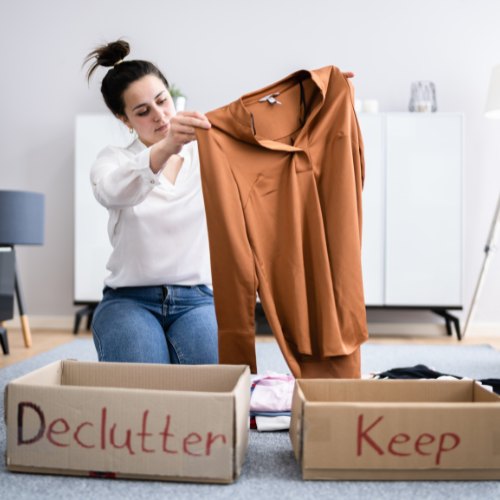
Before you can make real progress, you’ve got to take stock. Separate the things that serve you from the things that don’t. This goes for physical clutter (like that pile of clothes you never wear), mental clutter (old grudges or unnecessary worries), and even digital clutter (those 5,000 unread emails).
Ask yourself:
- Does this add value to my life?
- Does it bring me joy or help me grow?
- Is it just taking up space?
Be honest. The goal isn’t to get rid of everything—just the things that no longer fit.
What does the H stand for? Heave the trash and let it go
Once you’ve identified what doesn’t belong, it’s time to heave the trash. This is the hardest part because we’re wired to hold onto things—out of guilt, nostalgia, or fear of “what if I need it later?”
But here’s the truth: Clutter is procrastination in physical form. The more we hold onto what doesn’t serve us, the less room we have for what does. So:
- Donate, sell, or toss what you don’t need.
- Delete old files, unsubscribe from emails, and clear mental junk.
- Say no to obligations that drain you.
Letting go isn’t loss—it’s liberation.
What does the E stand for? Embrace your environment
Now that you’ve cleared the clutter, embrace your environment. This means intentionally shaping your surroundings to support the life you want.
- Physically: Organize your space so it feels calm and inspiring.
- Mentally: Fill your mind with positive influences—books, podcasts, people who lift you up.
- Emotionally: Surround yourself with what fuels you, not what drains you.
Your environment shapes your habits, so make sure it’s working for you, not against you.
What does the D stand for? Drive yourself forward
Decluttering isn’t a one-time event—it’s a practice. To stay on track, drive yourself forward with small, consistent actions.
- Schedule regular “SHED sessions” (weekly or monthly).
- Reflect on what’s working and what’s not.
- Stay mindful of what you bring into your life.
When you make SHED a habit, you’ll find yourself lighter, more focused, and ready for what’s next.
Does decluttering with SHED have to be perfect?
Life’s too short to be buried under clutter, whether it’s stuff, stress, or stagnation. The SHED method isn’t about perfection; it’s about progress. So start small, stay consistent, and watch how much freer (and happier) you feel.
Now, what’s the first thing you’re going to SHED today?
Keep reading
- Tips for Decluttering Your Life and Your HomeSimple ways to clear the clutter from your rooms and your routines.
- 3 Questions to Help Alleviate Clutter OverwhelmThree questions that make keep-or-let-go decisions easier.
- What steps do I need to take to clear my clutter?Kathi’s step-by-step answer to clearing clutter for good.
Frequently asked questions
What does SHED stand for in decluttering?
+
SHED stands for Separate, Heave the trash, Embrace your environment and Drive yourself forward. You separate what serves you from what does not, let go of the extras, shape your surroundings to support the life you want, and then keep the momentum going with small, consistent actions and regular decluttering sessions.
How do I decide what to keep when decluttering?
+
Ask three questions about each item: does this add value to my life, does it bring me joy or help me grow, or is it just taking up space? Answer truthfully. The goal is not to get rid of everything, only the things that no longer fit your life.
Why is letting go of stuff so hard?
+
We are wired to hold onto things out of guilt, nostalgia or fear that we might need them later. Kathi calls clutter procrastination in physical form. The more you hold onto what does not serve you, the less room you have for what does, so letting go is liberation, not loss.
Can the SHED Method help with mental and digital clutter?
+
Yes. The SHED Method covers physical clutter like clothes you never wear, mental clutter like old grudges or unnecessary worries, and digital clutter like thousands of unread emails. Delete old files, unsubscribe from emails you do not read, clear mental junk and say no to obligations that drain your energy.
How often should I do a SHED session?
+
Decluttering is a practice, not a one-time event. Schedule regular SHED sessions, weekly or monthly, reflect on what is working and what is not, and stay mindful of what you bring into your life. Small, consistent actions keep your home and mind lighter and more focused over time.
Originally published on Organized and Energized on May 19, 2025. Moved to addSpace and updated November 7, 2026.