TL;DR
Kathi has found that bedroom clutter can get in the way of a good night’s sleep, because it is a constant reminder of unfinished tasks and it makes dust harder to clean. Her tips are to clear the clutter, keep dust and allergens down, check the age of your mattress, and unplug from devices before bed.
Did you know that sleeping in a cluttered bedroom can affect your sleep patterns? There are studies that point to a direct correlation between insomnia and sleeping in a cluttered room.
Can a cluttered bedroom keep you up at night?
A study by Princeton University Neuroscience researchers found that cluttered environments impede your ability to focus. Not being able to focus causes stress and stress inhibits our ability to solve problems and create new patterns.
With less sleep and slower thinking, we can not problem solve, which might take us into a funk.

A sleep study found that people who doze in cluttered rooms and are at high risk for developing hoarding disorder are more likely to have sleeping problems. This includes having trouble falling asleep at night and experiencing rest disturbances.
An article I read says that even though some people might be used to living in a cluttered home, they do not necessarily mentally tune out the clutter. Clutter represents things left undone and will create a niggling feeling of unrest in our brain, which in turn, can prevent us from being able to relax into a deep night’s sleep.
Why does clutter feel so stressful?
We tend to experience a great deal of guilt around clutter because, as previously mentioned, clutter is a representation of chores, projects, tasks left unfinished.
A finding by UCLA researchers showed a direct link between high cortisol levels and women who lived in cluttered homes.

How are clutter, dust and allergies connected?
While clutter can be a culprit to a good night’s sleep, so can allergies. And guess what? There is yet another correlation between clutter and allergies. Yes, you got it: the more clutter and tchotchkes you have lying around, the less able you are to effectively clean and then, like magic, more dirt and dust accumulates.
Did you know that seasonal allergies have a connection to anxiety and sleep interruption? 48% of people with seasonal allergies said symptoms like sneezing and itchiness make it hard for them to sleep.
Experts recommend taking steps to remove allergens from the bedroom environment for better sleep at night, and there are also tips and tricks that sufferers can use to stay more comfortable at night. Kathi shares her own ways to allergy-proof your home.
So if you are looking for a bit more motivation to declutter your bedroom, here is a big reason: a better night’s sleep. If you are not sure where to begin, try these three steps to organizing your bedroom.

What else can help if you still cannot sleep?
Is it time to replace your mattress?
If you don’t have a lot of bedroom clutter and your allergies are fine but you still have a hard time sleeping, it might be time to replace your mattress. There are a lot of studies suggesting that a good mattress is essential to have a great night’s sleep.
If you find yourself waking up with discomfort, your mattress might be the culprit. I can attest to this fact. For about 2 years my husband and I had terrible aches and pains along with not sleeping well at night until we figured out the problem and ditched our 19 year old mattress. I guess we should have known that mattresses don’t last forever but I had no knowledge about mattress life expectancy until I did a little research! We now sleep great every night and plan on getting a new mattress every 8-10 years.
What bedtime habits help?
A suggested way to prepare for a good night’s sleep is to unplug from your electrical devices at least 30 minutes before you go to sleep. The blue light from your devices activates your brain.
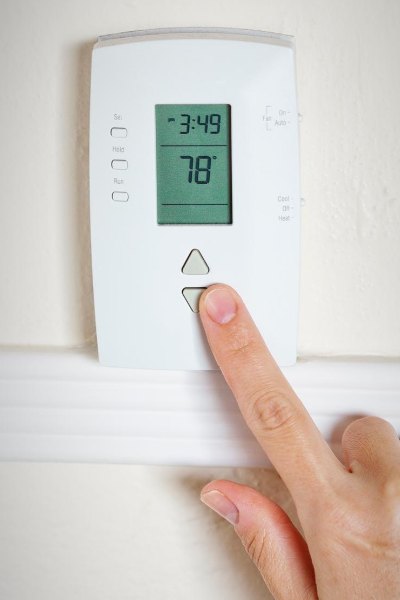
It also helps to sleep in a room temperature of 60-67 degrees and go to sleep at the same time every night and enjoy at least 8 hours of zzzzz’s. I don’t know if you also read the report about recommended sleep times? I loved reading this years ago as I am a proud 9 hour sleep gal. It showed that adults need to sleep 7-9 hours each night to be fully ignited during the day. Children and teens need even more. I guess that explains why teens always want to sleep late every morning!
Huffington Post surveyed 1000 adults about the things they worry about and guess what: “Worrying my home isn’t clean or organized enough” came fifth on their list of the most common stress triggers in their lives.
Don’t let clutter, worry or allergies hold you back from experiencing a good night’s sleep. Take action and clear up whatever cobwebs, muck and clutter you have in your bedroom this week!
Keep reading
- Three Steps To Organizing Your BedroomA simple plan for clearing and arranging your bedroom.
- 5 Tips to Allergy-Proof Your Home and Stop Unwanted Allergy InvadersWays to cut down the dust and clutter that collect at home.
- 10 Ways to Turn Your Bedroom from Clutter Filled to Designer ChicIdeas for making your bedroom a calm, clutter-free space.
Frequently asked questions
Can a messy bedroom affect your sleep?
+
Kathi points to research linking cluttered rooms with trouble falling asleep and restless nights. Her explanation is that people rarely tune clutter out completely. It stands for chores and projects left undone, which can leave a nagging feeling of unrest that makes it harder to relax at the end of the day.
Why does clutter make me feel guilty?
+
Clutter is a visible reminder of chores, projects and tasks you have not finished yet. Kathi notes that many people carry guilt about it for exactly that reason. Every pile seems to ask for attention, so the bedroom stops feeling like a place to rest and starts feeling like another to-do list.
How is clutter connected to dust and allergies?
+
The more clutter and knickknacks you have lying around, the harder it is to clean properly, so dirt and dust build up. Kathi notes that many allergy sufferers say symptoms such as sneezing and itchiness make it hard to sleep, which is another reason she suggests clearing the bedroom first.
How often should you replace a mattress?
+
Kathi and her husband slept poorly and had aches for about two years before realizing their 19-year-old mattress was the problem. After some research they replaced it, and they now plan to get a new mattress every eight to ten years. If you wake up uncomfortable, she suggests checking yours.
What bedtime habits does Kathi recommend?
+
She suggests unplugging from electronic devices at least 30 minutes before bed, keeping the bedroom between 60 and 67 degrees, and going to sleep at the same time each night. Kathi calls herself a proud nine-hour sleeper and aims for at least eight hours, and she pairs these habits with a clutter-free room.
Originally published on Organized and Energized on October 2, 2021. Moved to addSpace and updated November 7, 2026.