

Episode 122
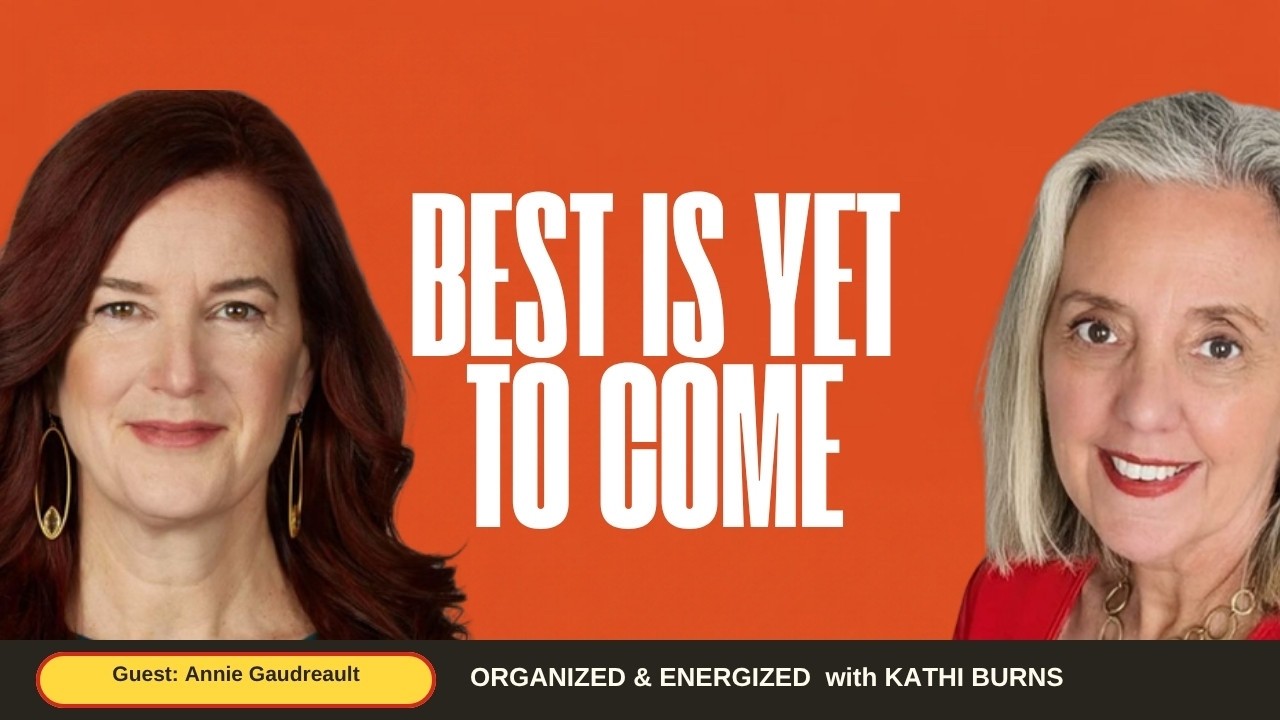
with Annie Gaudreault, holistic nutritionist, women's health coach and founder of VEEV Health & Wellness · September 10, 2025 · 31 min
Nutritionist and Ironman triathlete Annie Gaudreault says that in her practice she sees many women at midlife think something is wrong with them, without realizing they are in perimenopause, a phase she says lasts 7 to 10 years on average.
Annie sees midlife as an invitation for women to look at what they are doing and make changes, and she tells clients that time for themselves has to become a non-negotiable.
From her work with clients, Annie recommends writing down what you experience, how often and when, before a doctor's visit.
She recommends using the Menopause Society's directory to find a practitioner trained in menopause care, so you're less likely to be dismissed.
Annie believes the best is yet to come at midlife, when women have more wisdom, better boundaries and less patience for things that don't matter.
Published · Updated
What is this episode about?
Kathi Burns, CPO®, Business FLOW Strategist, talks with her friend Annie Gaudreault, a nutritionist, Ironman triathlete and founder of VEEV Health & Wellness, about how to thrive at midlife and why she believes the best is yet to come. Annie started out as a brand consultant and marathon runner, and coaching first-time marathoners led her back to school for a nutrition degree. She shares what she sees women go through in perimenopause, why so many feel something must be wrong with them, and what she tells clients to write down before they see a doctor. You'll hear what a functional doctor is, the story of a client who said she had almost given up on herself, how Annie kept going when her old business network went quiet, and the CRM tools she uses to keep clients organized.
Midlife and peri- and menopause, they're an invitation for us to look at what we're doing and make some changes.Annie Gaudreault
Jump to links and resources · Part of How do I grow my business without burning out? · All episodes · Every guest
What are the key takeaways?
- Annie Gaudreault moved from brand consulting to nutrition after coaching women from the couch to a marathon finish line, and she says the bigger change those women made was in their mindset.
- Annie defines perimenopause as the phase before 12 consecutive missed periods and says it lasts 7 to 10 years on average.
- From her practice, Annie recommends women write down what they experience, how often and when, and give it a daily 1 to 10 rating before a doctor's visit.
- Annie sees midlife as an invitation to look at what you're doing and make changes, and she tells clients that time for themselves has to become a non-negotiable.
- Her group program meets weekly and covers nutrition, supplements, movement, rest and rejuvenation, and nourishing your soul.
- When her old B2B network went quiet after she switched to coaching women, Annie relied on grit from endurance sports: if she can do an Ironman, she can do 20 calls.
- Annie keeps her clients organized in Less Annoying CRM, while a team member runs automation in GoHighLevel, and the two systems pass sign-ups to each other.
This episode is brought to you by the Business Logjam Session
A private 75-minute online session with Kathi Burns to find the one thing holding your business back and leave with your next steps. It is the same F.L.O.W. process Kathi uses with her own clients: Focus on your goals, Locate your logjams, Outline your solutions, Walk away knowing your next steps.
Find What's Holding Me BackInterested in sponsoring the show? Get in touch.How did Annie Gaudreault go from marathon coach to nutritionist?
Annie Gaudreault was a brand consultant and marathon runner when she was asked to coach women who had never run even to the corner and back through their first marathon. She fell in love with coaching and with the change she saw in those women, most of them in their 30s, 40s and 50s. She says the bigger change was in their mindset, not their bodies. It took her years to make the switch: she went back to school for her nutrition degree, launched her company and chose to focus on women at midlife.
What does Annie Gaudreault see women go through at midlife?
In her practice, Annie Gaudreault sees many women at midlife think something must be wrong with them, without realizing they are in perimenopause. She says nobody told them, not their mothers and often not their doctors. Kathi shares her own story: she was looking forward to hot flashes, never had them, but did go a little bit psycho.
What does Annie Gaudreault suggest doing before a doctor's visit?
From her work with clients, Annie Gaudreault suggests writing down what you're experiencing, how often and when, so you arrive with real data. She tells women to give it a 1 to 10 rating each day. Kathi adds that doctors ask about timing. Annie also points women to the Menopause Society's directory of trained practitioners.
What does Annie Gaudreault mean by a functional doctor?
A functional doctor, as Annie describes it, is trained to look for root causes and to treat the whole person. She calls it a blend of Western and Eastern medicine. She says the approach looks at the whole picture, including food, supplements and movement. She adds that you can usually search a geographic database to find one.
What does a midlife health coaching program include?
Annie's group program meets every week and covers nutrition, which supplements might help with what, consistent movement suited to women at midlife, rest and rejuvenation, and nourishing your soul. One client, a leadership coach with four kids, came to her feeling she had lost her energy and her mojo. After about eight months of work together she told Annie, "I had almost given up on myself." Annie also coaches one on one, and all of her work is online.
How do you keep going when your network doesn't support your new business?
Annie says you need grit: determination to push through even when your ego is hurt. She expected her strong network from her B2B consulting years to help when she launched a coaching business for women, and instead she got crickets. She kept making sales calls, knowing each one made her better and gave her thicker skin even when it didn't produce a sale. Her endurance training helped: if she can do an Ironman, she can do 20 calls.
What is a good basic CRM for a small business?
Annie calls Less Annoying CRM a great basic tool for keeping her clients organized, and Kathi started with it too. Annie isn't techy and doesn't want to learn big, complex tools, so a team member runs automation for events in GoHighLevel, and the two systems pass sign-ups to each other. Kathi notes that Less Annoying costs about 15 dollars a month and that its support team answers the phone. Annie says people expect you to be organized, and she will pay a bit more for tools that keep client payments and information safe.
How do you thrive at midlife?
To thrive at midlife, Annie Gaudreault says, start by believing what she has seen in almost 10 years of this work: the best is yet to come, and it can be the most rewarding time in a woman's life. She says that at midlife your wisdom comes together, you know who you are, you have better boundaries and you stop wasting time on things that don't matter. Kathi adds that if you're feeling down, take small steps in whatever area needs it and it will get better.
Where does each part of the conversation start?
- 0:00 Meet Annie Gaudreault
- 0:33 From marathon coach to nutritionist
- 1:26 The real change is in the mindset
- 2:13 Running as therapy
- 3:38 What happens to women at midlife
- 4:53 Perimenopause can last 7 to 10 years
- 6:26 Track your symptoms before the doctor
- 7:23 Find a menopause-trained practitioner
- 7:47 Midlife as an invitation to change
- 9:20 What a functional doctor does
- 11:16 A client who almost gave up
- 13:29 Inside her group program
- 14:46 When her network went quiet
- 17:00 Grit from Ironman training
- 19:20 Her CRM setup
- 23:05 Help for women who feel confused
- 26:59 The best is yet to come
- 28:38 Wrap-up
What resources were mentioned?
- Annie's free guide: Lose the Menobelly guide (Lose the Menobelly)
- The Menopause Society: Find a Healthcare Practitioner directory
- Less Annoying CRM
- GoHighLevel
- GoTo Meeting
- Annie's online menopause summit (announced in the episode for September 23 to 25)
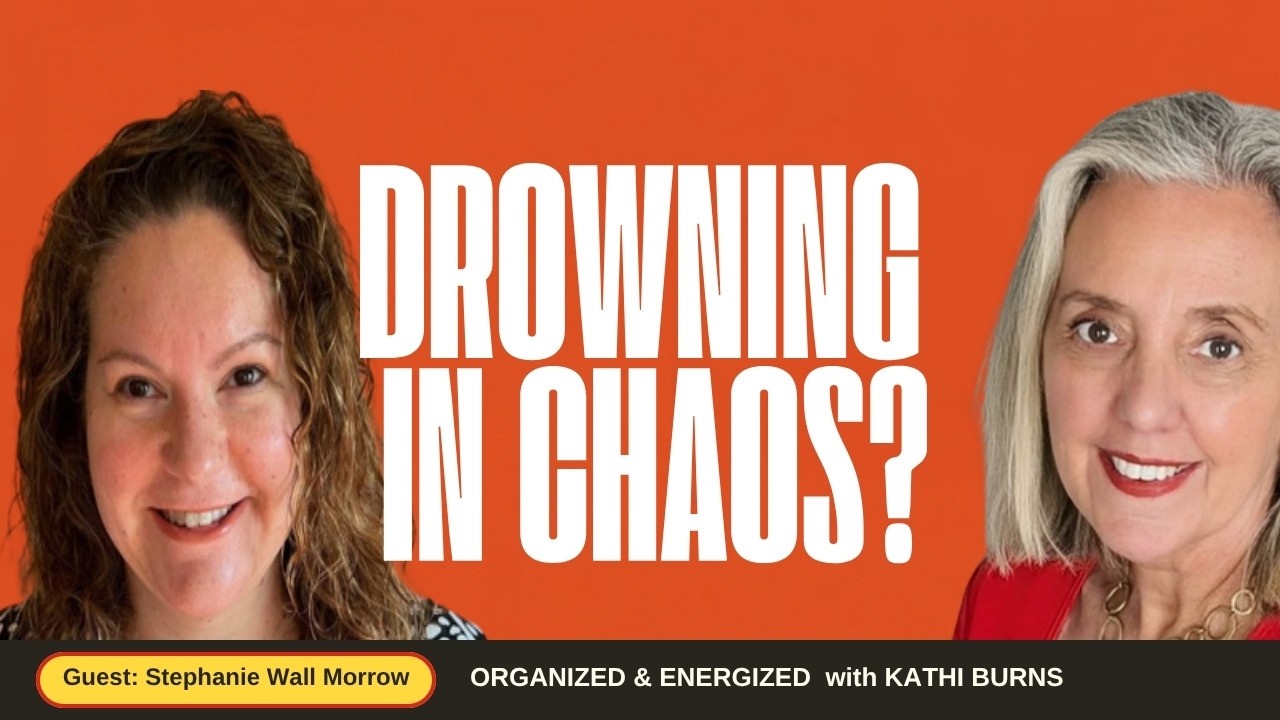
These episodes continue the same thread as this one: Lia Dunlap, Carly Church, Ginny Priem, Stephanie Wall Morrow also answer the question "How do I grow my business without burning out?", and the rest are the most recent conversations on the show.

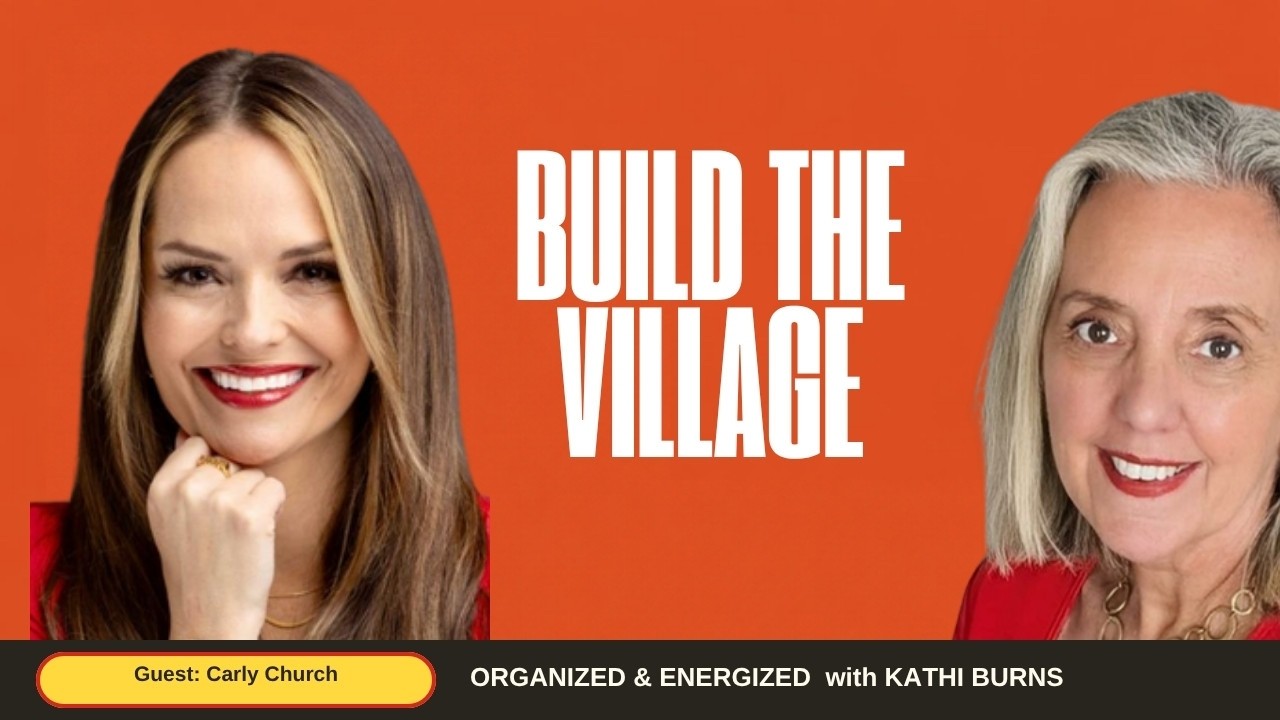 MotherhoodEpisode 147
How To Build a Village That Supports Your Business and Your Life with Carly Church

See every episode on the podcast archive or filter by topic on the How do I grow my business without burning out? hub.
How can I support the show?
- Subscribe on Apple Podcasts, Spotify or YouTube, or add the RSS feed to any app.
- Rate and review. A rating on Apple Podcasts helps new listeners find the show, and Kathi reads every review.
- Share the episode with one business owner who needs it; the share buttons are at the top of the page.
- Grab a free eBook: 6 Steps to Organize & Energize Your Home, 6 Steps to Organize Your Home Office or 6 Steps to Organize & Energize Your Life.
- Work with Kathi. The Business Logjam Session is a private 75-minute session to find what is holding your business back.
- Be a guest. Apply here if you have a story about clearing the obstacles in your business.
What did they say, word for word?
The transcript below is edited for readability: filler words and false starts are removed and speaker names are added. Nothing was added or summarized.
Read the full transcript +
Kathi: Hi everyone. I'm back and I'm with my girlfriend Annie, and we're here to chit-chat today about midlife and all the stuff that comes around that as women. So hi Annie, thanks for joining me.
Annie: Amazing to be back here.
Kathi: I know, I love it. I love having girlfriends on my show. So let's talk about women and midlife, but let's back up, because they don't know you as well as I know you. So let's talk a little bit about you, Annie. Why are you here? How did you become a health and fitness triathlete and all the stuff that you are? Tell me your backstory.
Annie: Yeah, well, the very short version is that, like a lot of people, I had my first career and I was a brand consultant. I was an endurance athlete. I was mostly marathoning back then, and I started to coach. I was asked to coach women that had never run, even to the corner and back, for their first marathon. And I fell in love. I fell in love with that whole coaching thing. I had no idea that it existed, and what was amazing, Kathi, is the transformation that happened with these women, because we took them literally from the couch to the finish line of a marathon.
Kathi: Wow, that's results that you can feel, visceral, right? And see.
Annie: Totally. Yeah, and the transformation that happens is often, the bigger transformation is not what happens in terms of your body, but it happens to your mindset. Right? And most of these women were not in their 20s. We're talking 30s, 40s, 50s, and that's when I got this, OMG, I love this. So it took many years for me to find out how I could really transition, but then I went and got my degree, and it took me a few years to get that done, launched my company, and I decided to really focus on these women at midlife because there's so much need and there's so little resources for women out there. So that's me in a nutshell.
The bigger transformation is not what happens in terms of your body, but it happens to your mindset.
Kathi: Oh, that's great. Have you been running your whole life? Did you grow up running? Have you always wanted to run?
Annie: No, no, no. I started actually because I was really stressed in my career and I needed something that I could do that was not dependent on a rigid schedule. So I could run early in the morning, I could run late at night, and I discovered that long distance was actually kind of fun. It was good for my head. And it really became, and it still is to this day, a big therapy form. Really good for my head. I really benefit from just that time alone. I run in nature if I can, and that's also really good for destressing. And of course, now that I work in this world, I know how valuable it is. So yeah, I was not a gifted person. Anybody thinking now that I must have been so gifted, I was never a really gifted sports person. Not at all.
Kathi: Really?
Annie: Yeah, I really was not.
Kathi: Wow, I always thought you were, 'cause, triathlete and all this stuff that you're doing.
Annie: Yeah, yeah. No, not at all. Not at all. Very, very average.
Kathi: Wow. Well, you're not average anymore, my friend.
Annie: Not at all.
Kathi: So let's talk about women as we reach a certain age. What do you see happening? I mean, we all have different things that happen, but what do you see most commonly?
Annie: Yeah, two big things actually. One is that we don't realize that perimenopause happens. And it can be a long phase in a woman's life where hormones are even more disruptive than usual and they're all over the place, and it really takes a toll on us. So what I see are a lot of women thinking, "Something must be wrong with me. My digestion is awful. Something must be wrong with me. I'm gaining weight. Something must be wrong with me. I've got joint pain," right? And on top of that, anxiety, depression, mental health stuff. So a lot of weird symptoms that are disconnected in our head, like that cannot be menopause, right? But they are textbook symptoms of perimenopause and menopause. So a lot of women suffering for nothing.
Kathi: Not knowing, not knowing. So for those listening out there, what is perimenopause?
Annie: Yeah, so it is the phase that precedes basically 12 consecutive missed periods. And it can be on average, Kathi, get this, 7 to 10 years.
Kathi: Whoa.
Annie: Exactly. And nobody tells us that. Our GPs don't tell us that, our OB-GYNs don't tell us that. And certainly our mothers were not educated. This is not mandatory education for the doctors. So you've got the blind leading the blind; it's a mess. So you've got a lot of women that are suffering needlessly or are being prescribed medications for things that should be solved very differently, and that's the really important thing here to point out.
Kathi: Yeah, hormones. Just pump some hormones in there and everything's going to be fine.
Annie: Yeah, not really.
Kathi: I don't think so. Wow, 7 to 10 years. I do have a few girlfriends that have been feeling a little bit wonky for a long time, and I wish it would just be over. I was looking forward to hot flashes, because I'm always cold, but I never had those. But I did go a little bit psycho. So what type of advice do you give women that are going through this and they might not really know what's going on, or maybe they do know what's going on and they're just looking for help?
Annie: Yeah, first of all, yes, do your homework, because before you go and see your GP, your physician, or if you're lucky enough to have a functional doctor, have it all recorded. Make sure that you know exactly what you're experiencing, the frequency, when this is happening, because you do need to arm yourself with all of that data so that you can get properly supported. We also know so much more now about menopause hormone therapy than we did back then. There's many, many more forms to support women, right? So find somebody who's been educated, and there's an amazing body called the Menopause Society.
Kathi: Yeah.
Annie: You can search who has been trained by them, and that makes a world of difference. First of all, you're not going to be dismissed.
Kathi: Right. Right. It's not all in your head type of thing.
Annie: Right, you're actually going to get some support. So that's the first step. The other thing is, midlife and peri- and menopause, they're an invitation for us to look at what we're doing and make some changes, because our bodies are changing.
Kathi: Right. Absolutely.
Annie: Really, really important to start to take care of ourselves. And it's tough, because women are the givers, right? And often, if there's also children, you are last on the list. So this is a tough one in my practice. I see the resistance that women have, right? They're like, "But I'm so busy, and then I've got this and I've got that." And I'm like, "You need to make time for yourself. This has got to become a non-negotiable." So putting yourself first, I know it's easy to say, hard to do, but it's a practice, and I know women can get there.
You need to make time for yourself. This has got to become a non-negotiable.
Kathi: And I think it's great sage advice to write down when these things are happening to you. When are they? Late, early? What day? Every day? Some days? Because that's what they do. They ask you, "Well, what…?" And sometimes when they say, "When was your last period?" I'd have to say, "Hmm."
Annie: Exactly. They're going to ask you these things, for sure. Yes, track it. And I always say to women, put yourself a little scale from 1 to 10, and then, "What was it today? It was a five out of 10. Okay, tomorrow it might be something else." So really track it like that. It's going to really be helpful.
Kathi: Yeah, be armed with the information. And talk about functional. You said if they're lucky enough to find a functional doctor, what does that mean?
Annie: Yeah, so these are doctors who have been trained differently. It's a blend of Western and Eastern medicine in the sense that they're so much more focused, excuse me, on root causes.
Kathi: And the whole, right?
Annie: Exactly, right? So it's the root cause, what is happening, right? They understand that the brain, the heart, the body, everything is connected. So it's a multi-pronged approach, and they're so much more open-minded to looking at a treatment plan that is multi-layered.
Kathi: It's not just, "Oh, you need an antacid." Take the pill.
Annie: Exactly. And there's so much more in their approach. And sometimes people need pills. That's not to say that they don't. But usually we need to look at, "Okay, we need that pill. And then what else do we need to modify? What do we need to address, food-wise, supplement-wise, movement-wise?" Right? So they really look at the total approach. And that's how women are going to get ahead, especially in midlife.
Kathi: Especially in midlife. Yeah, I agree. I meant, just take the pill, 'cause that's all they do. But because we're all so individualized, I think that we all need maybe the pill and then this and then this and then how about this, too? And let's make it a whole package for ourselves. So I like the idea of a functional doctor. That's something that maybe some of you haven't heard of out there, but check that out if you haven't heard the term and you don't have one.
Annie: It's highly recommended, definitely. Yeah, and you can usually search through a database that is geographical so that you can look for one for the area that you reside in.
Kathi: Yeah. So tell me a story. Tell me a story about one of your clients, other than the one who didn't want to go anywhere. Got her off the couch. Or she was already off the couch, I don't know. Give me a story.
Annie: Yes, one of my favorite stories is from this woman who came to see me. She was a leadership coach, had four kids. One had already left the nest, already in university or at the postgraduate level. But she really felt like she was languishing. Right? It was like, my energy is down. A lot of women will relate to this, 'cause that's such a common symptom. Lost your mojo, right? And the weight was there. She'd had some back issues, although that was getting better. And as we worked together, what was really interesting, Kathi, is slowly things were coming back. And it takes time, right? You need a lot of patience and grace as you work through these things.
Kathi: Yeah. Yeah, yeah.
Annie: And when we finished working together, she had lost 20 pounds, but more importantly, what she said was, "I had almost given up on myself." Every time I tell this story, I get goosebumps. Because this is what happens. Right? You start to have these symptoms, and then there's a bit of a domino effect with the body.
Kathi: Right? Right. Yeah.
Annie: So we have less energy, then we don't want to take care of ourselves, then we don't exercise as much, then we don't do as nice things for ourselves, and then it's mind, body, spirit; it unravels pretty quickly. And women give up on themselves, right? On what brings them joy, what makes them feel alive. So I love this story, because it was not instant, right? It was not an overnight, woo, two weeks later everything was fine. It was not that at all, right? This was about eight months of work.
Kathi: And what were you doing together? What do you guys do? What was the protocol?
Annie: So this was part of a group program that she was in, and we touched on all of the elements of health. So we taught on nutrition, what supplements might be helpful for what, being consistent around movement and the different types of movement that actually suit us now, right? Then looking at, to your point before, the whole person. So it's like, what about rest and rejuvenation? What about nourishing your soul? What are the things that you're doing there? So every week we met like that and got the nice consistency. And it's literally one step in front of the other that eventually really makes a big difference.
Kathi: That's fantastic. So you have group coaching and you have individualized coaching, is that true?
Annie: Yes, that's right. Yes.
Kathi: Excellent, excellent. So you can see Annie all different types of ways.
Annie: Yes, and it's all virtual, so it doesn't matter where you are.
Kathi: Love it, love it. You don't have to be in Canada with you, which I love, the fact that we're just right here with you together.
Annie: No, I love the fact that we can serve more people this way.
Kathi: Absolutely. So talk to me about one of your valleys. What happened that kind of threw you off your mojo as you were growing your business or launching? 'Cause we all go through it. What's an instance for you that made you feel a little bit down on it?
Annie: I had a business before this one, when I had my previous career, and I had a really, really robust network, right? So I thought, it's all good. I'm going to launch my new business. I have great relationships, right? I'm going to go to people and all that. And it was amazing, the crickets that I got. So many people that I thought were going to be advocates, or give me a little bit of a leg up and help me out. 'Cause you have to imagine, I was changing hats completely, right?
Kathi: Right.
Annie: B2B business before, and I went to a B2C model. It was obviously a complete new focus, but I thought, "Oh my god, I have worked with these people for so long and I've proven my values, my character, right?" But it was really, really sobering. It was really tough.
Kathi: Yeah, I think people don't understand. And I think your modality, like my modality, is something some people don't really want to say that they need. Or they don't feel that they need it, or they're not going to speak it out loud. So then they don't know, and those particular people might not know how to refer you. Or the people that you're asking to refer to their people, they don't necessarily want to say, "Hey, maybe you need to get healthier. Maybe you need to get organized." So I mean, it's hard to tell people that, right? People have to come into their own. But how did you overcome that? What did you do to launch further when your network kind of fell away?
Annie: Well, I think, and you will know this very well from having a business, you do need grit.
Kathi: Mhm.
Annie: And that grit is basically just determination, right? You need to push through even when your ego is hurt. Even when things are not going well. The consistency in health is the same for business, right? Even though I don't feel like, oh my god, these 20 sales calls that I should be doing today, and it didn't yield anything, and you think it did not yield anything, but it's not true. You still made progress.
Kathi: Yeah.
Annie: You got better at calls. You developed thicker skin.
Kathi: Yeah.
Annie: So the sheer grit has been the one thing, and this is where Ironman experience and long-distance endurance sports come in handy, because I can suffer. I can suffer for a long time, my friend.
Kathi: That's hilarious.
Annie: Yeah, and it's true. You can just punch me again. I'm cool. I can take it, 'cause I've done this before. Been there, done that. I know it doesn't kill me. You know that there is a reward eventually.
Kathi: Yes. Eventually.
Annie: So I think that's always been my default, and sometimes I also will say, if I can do an Ironman, I can do 20 calls. 'Cause 20 calls is a lot easier than doing that freaking thing.
If I can do an Ironman, I can do 20 calls.
Kathi: I'm so impressed that you have done that. That's so cool.
Annie: You know, and it brings you some perspective, and as we all know, in business you need a lot of perspective. You need a lot of sense of humor, right? And you cannot take things too personally.
Kathi: Mhm. Absolutely. Yeah, it's never about you anyhow. Thank goodness I learned that a long time ago. It's never about me. It's always about them. And anybody listening out there, it's never about you. It's always about them, whatever they're coming up with, right? So that's the beauty of having that knowledge, I'll tell you. So, okay, I have to ask you this. What's your favorite organizing hack for your business, now that you're running a gangbusters business and you're keeping yourself in line?
Annie: I would say that my CRM is the most important tool.
Kathi: And what are you using?
Annie: So we're using two, actually. We use Less Annoying CRM.
Kathi: Uh-huh.
Annie: Anybody here that wants a basic CRM tool, that's a great one. Because, admittedly, I am not the most techy person whatsoever, and I hate learning these big, complex tools. But we also use, not me, but a person on my team uses GoHighLevel to have everything automated, especially for our events and things like that. Do I use it? No, but they do.
Kathi: Okay. So you haven't incorporated Less Annoying into GoHighLevel yet? That's where I'm at right now, 'cause I need to.
Annie: They are talking to each other, yes. So as people sign up for one thing, it goes into the other, because, of course, Less Annoying is basic, right?
Kathi: Yeah, very basic.
Annie: And it's not a tool for marketing and so on, but it's a great tool for keeping my people organized and for me to keep track. And as we all know, being organized in business is critical, because people expect you to have your s**t together.
Kathi: Yeah.
Annie: And if you don't, it reflects very badly. What type of a business am I getting involved with, right?
Kathi: Absolutely, right? They want to know that they can trust you, and everything that you do reflects on even the health coaching, right? So do you have everything seamless for them? Is it secure for them to pay through your links? All of those things really matter.
Annie: Mhm. And I also want to not be liable for confidentiality and all of these things, right? So I tend to be like, well, I will pay a little bit more, but now I know that this will be safer for my clients, and that's really important.
Kathi: Yeah, absolutely. Yeah, so we're using similar platforms, and of course Less Annoying is what we both started with, and it works very well. I'm working on trying to integrate it into HighLevel and GoTo Meeting. So I'm going to see if I can get my notes and all the stuff that I need in there. That's my journey currently, but yeah, it's a good platform. Both are very good platforms, for sure.
Annie: Yeah, absolutely. Absolutely. And as much as anybody is listening and is resisting, you benefit so much from at least having a basic platform to begin with.
Kathi: Yeah, you've got to have a CRM, customer relationship manager, guys out there. Get yourself one. Less Annoying's only 15 bucks a month, so whoopee, right?
Annie: Yes, and they're kind. You call, they help you.
Kathi: They're there. They answer the phone. They actually fix it the next day. Tell me, what company does that now?
Annie: Nobody. Nobody.
Kathi: Yeah, it's hard.
Annie: Yeah, so definitely, definitely. It keeps you sane, because in business you cannot be wasting your time in the weeds, right? There's not enough hours in the day.
Kathi: Right. Yeah, you've got to make those calls, got to make that stuff happen. Get those gigs.
Annie: Exactly, exactly.
Kathi: I love it. Okay, so what do we want to talk about? Have I missed anything that you really wanted to discuss here during this time?
Annie: Well, I would say that if there's any woman that is out there going, "Okay, I'm so confused about all this stuff and all these midlife health things, and I'm not even sure if this is what I'm experiencing," right? We're going to have a menopause summit.
Kathi: Yes. The summit in September, right?
Annie: September 23rd, 24th, 25th. It will be online. There will be a minimal fee, very minimal, just a token fee to attend. I will be leading it, but I will also have incredible speakers that are experts in other modalities, like sleep, for example, right? We will have a functional doctor who's going to be talking about hormones, what it is, what it isn't. We will have incredible people that will be providing incredible information and real practical applications so that women feel more empowered through this time of life. And it will be applicable to anybody that is at the beginning of their journey to, "Okay, I think I'm menopausal, what now?" Right. So anybody on that journey.
Kathi: Yeah, I love that. So the menopause summit, I will put the link, unless we don't have it; I'll definitely put the dates in the bottom. And then please connect with Annie. And Annie, you probably are going to give them something. You have a free gift for them today, and that's another way that she's going to stay in touch with you in case you want to get into the menopause summit. Let's talk about that a little bit.
Annie: Yeah, so what we know in North America is that menopause brings some very nasty unwanted gain, Kathi. The weight gain is on average 10 pounds and then some. So we've developed a great tool for women. I call it Lose the Menobelly guide.
Kathi: Wow.
Annie: Because I'm not somebody who subscribes to the latest fad stuff. So this is a science- and evidence-based, great tool for women to just start integrating some of those principles.
Kathi: Wow. Awesome. So, how to lose weight without being in pain. I love that. And I know that you like to eat out as much as I like to eat out, and we can still be balanced and do that.
Annie: Yes. Absolutely. Right, not depriving ourselves, not being on some cabbage diet, none of that crazy…
Kathi: Remember that? I think that was the '90s or the '80s.
Annie: Oh my god.
Kathi: The cabbage diet. And then I was watching a show last night, they were talking about leek soup. Leek soup to lose weight, which, I don't know.
Annie: So we're not doing that to women anymore. We want some good, solid, balanced information. So it's a really, really great, easy guide for women.
Kathi: Nice. That's awesome. Okay, make sure to download that, girls out there listening. Even if you're not peri or post or whatever, I'm sure it's good for everybody.
Annie: Absolutely.
Kathi: And even if you're not a woman, it's probably good for everybody, too, if you're a guy out there listening. So this has been great. Any final closing remarks that you would like to say?

Annie: I'd love to just share with women what my observation is, from doing this for almost 10 years now: the best is yet to come, and I really mean it. Because we get to this beautiful age where everything comes together, Kathi, right? Your own wisdom, you understand who you are, you have better boundaries, right? You don't waste time on stupid stuff that doesn't matter anymore, right? You really are so much more comfortable with who you are as a person, right? This is such an incredible time. It can be the most rewarding time in a woman's life.
The best is yet to come, and I really mean it.
Kathi: Absolutely, for sure. I agree. I agree. So if you're feeling down and out, just keep that in mind and do something. Make little baby steps towards improving whatever area you think you need improving in, and it will get better. I agree. I love being older now more than younger, for sure. Enjoying it.
Annie: Oh, me too. Yeah, getting older is such a privilege. I know it's a bit of a cliche, but it is a privilege, and we now have an opportunity to do things and serve the world in the way that we want. There's nothing more rewarding.
Kathi: Yeah, we can do whatever we want and not even worry about what other people think. That's the beauty, I think. We know enough to know that it doesn't matter, and back to this, it's not about us anyhow. We do what we want to do and feel good about it.
Annie: Yes, the best feeling in the world.
Kathi: That's fantastic. I love speaking with you. I love you, girlfriend. So good to have you on. Definitely check the show notes, sign up for Annie's free "let's lose some weight" guide, and then join her at the summit in September, which will be right around the corner, and we'll see you all then. Thanks, Annie, so much. It's good to see you.
Annie: Likewise. Thank you so much, my friend.
Kathi: Absolutely. Until next week, you guys. Make sure to like this podcast. Love this podcast. Give me a comment. Give me some love for my podcast. Share the news. If you enjoy it, please pass it forward, pay it forward, and something will come back around to you. So until next week, gang, we'll see you then.
Where can I find the links and resources from this episode?
Connect with Annie
Organizations and companies
Inspired? Here Are Your Action Steps:
- Try Annie's habit of writing down what you notice, how often and when, with a daily 1 to 10 rating.
- Note the date of your last period before your appointment.
- Search the Menopause Society's directory for a practitioner trained in menopause care.
- Look up whether there's a functional doctor in your area.
- Put one non-negotiable block of time for yourself on your calendar this week.
- Make your sales calls even when the last ones didn't produce a sale.
- Set up a basic CRM to keep your clients and contacts organized.
- Pick one small step toward improving the area of your life that needs it most.
Frequently asked questions
How to feel better in perimenopause?
+
Annie Gaudreault's advice in the episode, from her work with clients, starts with writing down what you experience, how often and when, so you can get support from a practitioner trained in menopause care. She also sees midlife as an invitation to make changes and tells women that time for themselves has to become a non-negotiable. Her own program looks at the whole person: nutrition, movement, rest and what nourishes your soul.
What is perimenopause?
+
Annie describes perimenopause as the phase before menopause, which is marked by 12 consecutive months without a period, and says it averages 7 to 10 years. She says digestion problems, weight gain, joint pain and anxiety are textbook symptoms, yet many women don't connect them to hormones because nobody told them.
What should you do before you see your doctor?
+
From her experience with clients, Annie suggests writing down what you're experiencing, how often and when, and rating it from 1 to 10 every day so you arrive with real data. She also recommends searching the Menopause Society's directory for a practitioner trained in menopause care, so you're less likely to be dismissed.
What is a functional doctor?
+
Annie describes a functional doctor as one trained to look for root causes and treat the whole person. She says medication can still be part of the plan, alongside changes to food, supplements and movement.
How did Annie push through a slow start in business?
+
Her old business network went quiet when she switched from business clients to coaching women. She leaned on the grit she built in endurance sports. As she puts it, if she can finish an Ironman, she can make 20 sales calls.
Who is talking in this episode?

About the Host, Kathi Burns
Kathi Burns, CPO®, is a Business FLOW Strategist based in San Diego. For the last 20+ years, Kathi has helped clients create systems they can stick to. She is the author of How to Master Your Muck, Organizing With Tetris and Home Organization, The Smart Guide, and co-author of four more titles; all are in Kathi's shop. Kathi's business has been featured on Good Morning America, and her advice has been featured in Oprah Magazine, Martha Stewart Living, Better Homes and Gardens and Entrepreneur Magazine.
More about Kathi · Shop Kathi's books · Business Logjam Session · Apply to be a guest

About Annie Gaudreault
Annie Gaudreault is a holistic nutritionist and women's health coach and the founder of VEEV Health & Wellness, which supports women at midlife. She started out as a brand consultant and marathon runner. Coaching women who had never run to the corner and back all the way to a marathon finish line showed her what she wanted to do next, so she went back to school, earned her nutrition degree and launched her company. She has run 12 marathons and 3 Ironman triathlons, and she has been doing this work for almost 10 years. Annie coaches women in groups and one on one, all online, and also speaks and leads workshops.
Want help putting this into practice?
Book a Business Logjam Session with Kathi
A private 75-minute online session to find the one thing holding your business back and leave with your next steps, using the same F.L.O.W. process Kathi uses with her own clients: Focus on your goals, Locate your logjams, Outline your solutions, Walk away knowing your next steps.
Prefer to start small? Download Kathi's free eBook 6 Steps to Organize & Energize Your Life.
Published · Updated
This episode page is for general information. Guests speak for themselves, and their opinions, statistics and examples are their own. Nothing here is legal, financial, medical or mental-health advice; talk to a qualified professional about your own situation. Some links go to the guest's own products or free offers; addSpace does not earn a commission from them unless stated.